
Bespoke Kitchens vs Standard Kitchens: Long-Term Costs, Quality & Home Value
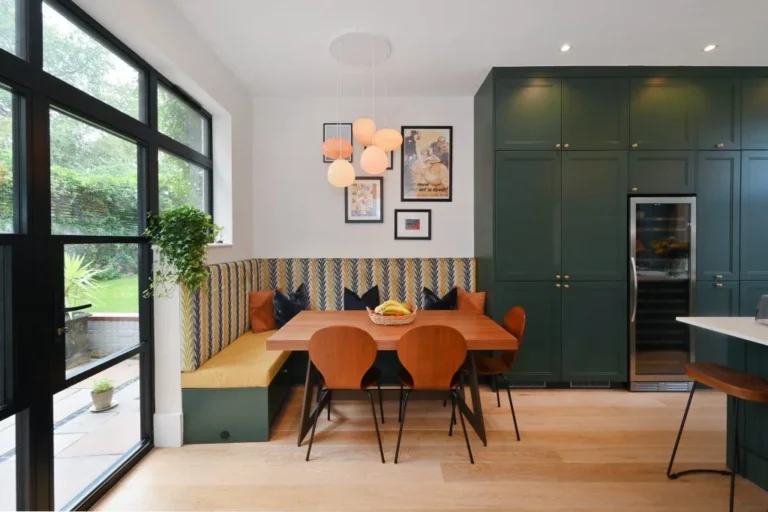
When it comes to kitchen investment decisions, UK homeowners face a challenging dilemma. Should you choose a standard kitchen from a high street retailer, or invest in a bespoke solution? While the initial price difference might seem significant, the real question isn’t about upfront costs but rather which option delivers the best value over the decades you’ll use your kitchen.
At Kochwerk, we believe in honest, transparent advice that helps homeowners make informed decisions based on their specific circumstances. Through our partnership approach, we’ve guided countless clients through this comparison, and we’ve learned that understanding the true differences between bespoke kitchen vs standard kitchen options requires looking far beyond initial price tags.
The choice between custom and standard kitchens affects everything from daily functionality to long-term property value, and making the wrong decision can cost thousands in premature replacements and lost opportunities.
Understanding the Kitchen Investment Landscape
Most homeowners focus on initial purchase price when comparing kitchen options, but this approach misses the bigger financial picture. The true cost of kitchen ownership extends far beyond installation day, encompassing maintenance, repairs, modifications, and eventual replacement over a 20-30 year lifecycle.
According to industry data, the average UK kitchen lasts between 10-20 years before requiring significant renovation or complete replacement. However, this figure varies dramatically depending on the quality of initial installation, materials chosen, and how well the design meets the household’s evolving needs.
A long lasting kitchen investment should be evaluated on total cost of ownership rather than initial outlay. This includes purchase price, installation costs, ongoing maintenance, necessary repairs, potential modifications, and the eventual cost of replacement. When viewed through this lens, the financial comparison between bespoke and standard options often looks very different.
Standard kitchens typically follow predictable replacement cycles. Most homeowners find themselves facing significant renovation costs every 12-15 years as components wear out, styles become dated, or family needs change. In contrast, well-designed bespoke kitchens often adapt and evolve with households, requiring only minor updates rather than complete replacement.
The difference lies not just in build quality but in the fundamental approach to design. Bespoke kitchens are created to suit specific households and spaces, making them inherently more likely to remain functional and appealing over time.
Quality Comparison: Materials and Craftsmanship
The manufacturing processes behind standard and bespoke kitchens differ fundamentally, affecting everything from durability to long-term performance. Understanding these differences is crucial when evaluating the true value proposition of each approach.
Standard kitchens rely on mass production techniques that prioritise efficiency and cost control. This typically means using engineered materials like MDF or particle board with laminate finishes, standardised hardware systems, and assembly methods designed for speed rather than longevity. While modern manufacturing produces attractive results, the focus on cost efficiency necessarily involves compromises in material quality and construction methods.
Bespoke kitchen manufacturers take a different approach, prioritising longevity and performance over production efficiency. Solid wood construction, premium hardware systems, and traditional joinery techniques create kitchens built to last decades rather than just years. The difference in material cost is often offset by the extended lifespan and reduced replacement frequency.
Hardware quality represents one of the most significant differences between approaches. Standard kitchens typically use basic hinges and drawer systems that may begin showing wear within 5-7 years. Premium bespoke installations feature commercial-grade hardware designed for hundreds of thousands of operations, often carrying lifetime warranties.
When comparing bespoke kitchen vs standard kitchen materials, consider not just immediate appearance but how they’ll age over time. Solid wood develops character and can be refinished multiple times, while laminated surfaces become irreversibly damaged and dated. Natural stone worktops improve with age and use, while synthetic alternatives often require complete replacement when damaged.
The craftsmanship difference extends to every detail. Hand-fitted joints, precisely aligned doors, and carefully adjusted mechanisms create kitchens that feel substantial and operate smoothly for decades. This attention to detail translates directly into long-term satisfaction and reduced maintenance requirements.
Design Flexibility and Space Optimisation
One of the most significant advantages of bespoke design lies in its ability to address unique spatial challenges and specific household requirements. Standard kitchens work well in standard spaces, but UK homes often feature anything but standard layouts.
Period properties present particular challenges that standard solutions struggle to address effectively. Uneven walls, unusual ceiling heights, awkward alcoves, and architectural features require careful integration that off-the-shelf products simply cannot achieve. Our bespoke kitchen design service specialises in creating solutions that work with, rather than against, these challenging characteristics.
Storage optimisation represents another area where custom solutions excel. Standard kitchens offer predetermined storage configurations that may not suit how individual households actually use their kitchens. Bespoke designs can incorporate specialised storage for specific needs – from extensive wine collections to professional-level baking equipment.
The ability to modify and adapt bespoke kitchens over time provides additional long-term value. As households evolve, custom cabinetry can often be reconfigured, extended, or updated without complete replacement. Standard systems typically require wholesale changes when modifications become necessary.
Space maximisation in smaller UK kitchens particularly benefits from custom approaches. Every centimetre counts in compact spaces, and bespoke designs can utilise awkward corners, unusual dimensions, and vertical space in ways that standard units cannot match.
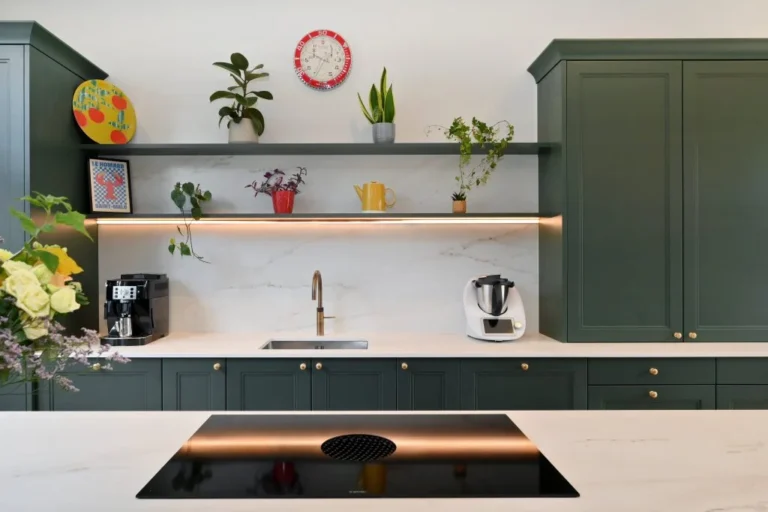
Long-Term Financial Analysis
Evaluating the true financial impact of kitchen choices requires projecting costs over realistic ownership periods. Most homeowners live with their kitchen choices for 15-20 years, making long-term analysis essential for sound decision-making.
Initial investment comparison shows standard kitchens typically costing £8,000-15,000 for good quality installations, while bespoke alternatives range from £20,000-40,000+ depending on specifications. However, this upfront difference narrows significantly when considering replacement cycles and ongoing costs.
A typical standard kitchen might require significant updates or complete replacement after 12-15 years, involving costs of £10,000-20,000 for substantial renovation. Factor in interim maintenance, component replacements, and the inconvenience of major disruption, and the total 20-year cost often approaches that of a single bespoke installation.
The custom kitchen benefits UK homeowners value most include reduced maintenance requirements, longer functional lifespan, and higher property value retention. Quality bespoke kitchens often maintain their appeal and functionality for 20-30 years with only minor updates, representing significant savings over multiple standard kitchen replacement cycles.
Property value impact varies by location and market segment, but research consistently shows that high-quality bespoke kitchens add more value per pound invested than standard alternatives. According to Halifax’s home improvement research, premium kitchen installations can add 10-15% to property values in desirable areas.
Insurance considerations also favour bespoke installations. Many insurers offer reduced premiums for homes with high-quality fixtures and fittings, recognising the lower risk profile of properties maintained to premium standards.
Installation and Project Management Differences
The installation process differs significantly between standard and bespoke approaches, affecting not just immediate costs but long-term satisfaction and performance. Understanding these differences helps homeowners prepare for the reality of each approach.
Standard kitchen installations often follow a rapid timeline designed to minimise labour costs. While this reduces immediate disruption, it sometimes compromises on the careful fitting and adjustment that ensures optimal long-term performance. Many standard installations rely on adjustable components to accommodate minor measurement variations, which can affect long-term stability and alignment.
Bespoke installations prioritise precision over speed. Our kitchen installation services involve detailed site preparation, careful fitting of custom components, and extensive testing to ensure everything operates perfectly before completion. While this takes longer initially, it prevents many common issues that plague rushed installations.
Project management represents another crucial difference. Bespoke manufacturers typically provide dedicated project management throughout the process, coordinating all trades and ensuring quality standards are maintained. Standard installations often involve multiple different contractors with limited coordination, potentially causing delays and quality issues.
After-care services vary dramatically between approaches. Bespoke manufacturers usually offer comprehensive ongoing support, including maintenance advice, component replacement, and modification services. Standard kitchen retailers typically limit support to initial warranty periods, leaving homeowners to source their own maintenance and repair services.
Environmental Impact and Sustainability
Sustainability considerations increasingly influence kitchen choices as homeowners recognise the environmental impact of their renovation decisions. The longevity difference between approaches creates significant environmental implications beyond initial material choices.
A kitchen designed to last 25-30 years has a much lower environmental impact per year of use than one requiring replacement every 12-15 years. This longevity benefit often outweighs the additional materials used in premium construction, making bespoke kitchens surprisingly environmentally friendly over their full lifecycle.
Material sourcing practices differ significantly between mass production and bespoke manufacturing. Many bespoke manufacturers can source materials locally and provide detailed information about their environmental credentials. Our sustainable kitchen options include locally sourced timber, low-impact finishes, and designs optimised for minimal waste.
Repairability represents another sustainability advantage of bespoke design. When components wear out or become damaged, custom kitchens can often be repaired or have individual elements replaced. Standard systems frequently require extensive replacement for minor issues, generating unnecessary waste.
The cultural shift towards valuing quality and longevity over disposability aligns well with bespoke kitchen philosophy. Choosing products designed to last decades rather than follow fashion cycles represents a fundamentally more sustainable approach to home improvement.
Making the Right Choice for Your Home
The decision between bespoke and standard approaches isn’t always straightforward. Certain situations favour each option, and understanding when standard solutions work well helps homeowners make appropriate choices for their circumstances.
Standard kitchens work well in rental properties, starter homes where owners plan to move within 5-10 years, or situations where budget constraints are paramount. They also suit homeowners who prefer changing their kitchen regularly or following current trends rather than investing in timeless design.
Bespoke solutions excel in forever homes, period properties with challenging layouts, households with specific functional requirements, or situations where maximum property value enhancement is desired. They particularly benefit families who cook extensively, entertain regularly, or have accessibility requirements that standard solutions cannot address.
Budget considerations should include not just immediate affordability but long-term financial planning. Many homeowners find that spreading the cost of a bespoke kitchen over its expected 25-year lifespan makes it surprisingly affordable compared to multiple standard renovations.
Property value and location also influence the optimal choice. Premium areas command higher values for quality installations, making bespoke investment more likely to pay dividends. Conversely, areas with lower property values might not support the premium that bespoke installations command.
Creating Long-Term Kitchen Value
The choice between bespoke and standard kitchens ultimately depends on individual circumstances, priorities, and long-term plans. However, understanding the true differences between approaches ensures homeowners can make informed decisions that align with their needs and expectations.
Quality, longevity, and functionality should drive kitchen investment decisions more than initial price considerations. Whether choosing bespoke or standard approaches, focus on solutions that will serve your household well over decades rather than just the immediate future.
At Kochwerk, our goal is helping every client achieve the best possible outcome for their specific situation. Through honest consultation and expert advice, we ensure your kitchen investment delivers maximum value regardless of which approach you ultimately choose.
Ready to explore your options and make an informed decision about your kitchen investment? Contact our kitchen experts to discuss your specific needs and receive honest advice about which approach will serve you best. Our experienced team can provide detailed comparisons and help you understand the long-term implications of different choices. Discover how professional guidance can help you maximise value from your kitchen renovation project, whether you choose bespoke luxury or carefully selected standard solutions.